
Milioane de persoane folosesc aplicația Freelancer pentru a-ți pune ideile în practică.
Preferat de branduri importante și startupuri


Postează gratuit un proiect și apoi poți lua legătura cu freelanceri calificați, gata să înceapă lucrul chiar astăzi. Compară ofertele, evaluările și portofoliile și plătești serviciile doar când ești mulțumit(ă) de rezultat.
~ 520 sec.
până la plasarea primei oferte
50+
oferte pentru fiecare proiect
7k+
freelanceri disponibili online
Fără plăți percepute în avans! Plătești doar când ești mulțumit(ă) de servicii.

6,8
6,8
92%

QUITO, Ecuador
$20 USD pe oră


8,7
8,7
94%

Lilongwe, Malawi
$50 USD pe oră


9,7
9,7
98%

coimbatore, India
$9 USD pe oră

9,5
9,5
96%
indore, India
$10 USD pe oră

7,9
7,9
96%

Jessore, Bangladesh
$25 USD pe oră

7,5
7,5
100%
Basti, India
$40 USD pe oră

8,4
8,4
97%
Dhaka, Bangladesh
$30 USD pe oră

7,8
7,8
99%

La Plata, Argentina
$50 USD pe oră

8,4
8,4
100%

Ben Aknoun, Algeria
$70 USD pe oră
A DOS developer builds, maintains, and modernizes software that runs on MS-DOS, FreeDOS, PC DOS, and DOS-compatible environments, including legacy business applications, embedded industrial systems, and retro computing projects. These specialists work with low-level languages and toolchains that most modern programmers no longer touch, which is exactly why hiring one requires deliberate evaluation.
DOS development covers a narrow but commercially important slice of software engineering. Many manufacturing plants, point-of-sale terminals, accounting systems, scientific instruments, and government databases still run on DOS because the software is stable, the hardware works, and rewriting it would be expensive. A skilled DOS programmer keeps these systems alive, ports them to modern environments, or recreates DOS-era experiences for emulation, gaming, and education.
Typical engagements include patching legacy executables, recompiling source from older compilers, writing new utilities in C or assembly, building TSR (terminate-and-stay-resident) programs, debugging memory issues in conventional, EMS, or XMS memory, and packaging software to run on DOSBox, DOSBox-X, or vDos for modern Windows machines.
Genuine DOS work relies on a specific stack that buyers should look for in a candidate's portfolio. Expect to see fluency with several of the following.
The demand for DOS expertise is more common than most clients expect. Typical hiring scenarios include:
Because the field is small, portfolio depth matters more than years of generic experience. Look for candidates who can show working DOS code on GitHub, contributions to FreeDOS or related open-source projects, demoscene productions, or documented commercial maintenance work. Strong candidates will also understand the constraints of real-mode and protected-mode programming, segmented memory models, and the differences between conventional, upper, expanded, and extended memory.
Useful interview questions to copy and use:
DOS expertise is rare, and finding it locally is often impossible. Freelancer.com gives you access to a global pool of programmers who have spent decades working with x86 assembly, Clipper, Turbo Pascal, and FreeDOS, alongside engineers who maintain legacy industrial systems for a living. You can compare portfolios, read verified client reviews, and shortlist freelancers on Freelancer.com whose past work matches your exact toolchain. Whether you need a one-off bug fix, a full migration of a Clipper ERP, or a DOSBox re-release of a classic game, you can post a project on Freelancer.com and receive competitive bids from specialists who already speak the language of legacy DOS software.
Legacy systems do not wait, and qualified DOS expertise is in short supply.
Hiring a DOS developer is straightforward when your brief is specific about the toolchain, target environment, and deliverables. Because DOS work is highly specialized, the clearer you are about the language, compiler, and runtime, the more accurate the bids will be. The process below walks through posting your project, reviewing proposals, and awarding the job.
The quality of your project post determines the quality of bids you receive. A vague brief invites generic responses, while a precise brief filters for freelancers who genuinely work with your exact stack. Head to the
Bids on a DOS project are short proposals, not just price tags. A strong proposal will show that the freelancer understood your toolchain, asked the right clarifying questions, and proposed a realistic approach. Read each bid carefully and shortlist candidates whose technical reasoning matches the brief.
The final decision should combine proposal quality with hard evidence from each freelancer's profile. With a niche skill like DOS development, consistency across past work matters more than a single impressive sample. Weigh portfolio depth, written reviews, and verified track record together before awarding.
Yes. Many freelancers actively maintain Clipper, FoxPro, dBase, and Turbo Pascal codebases for businesses still running them in production. They can patch bugs, add features, recompile against newer toolchains, or wrap the application in DOSBox or vDos so it runs reliably on modern Windows machines.
There is overlap, but they are not identical. A DOS developer typically focuses on business, utility, embedded, or systems-level software, while a retro game developer specializes in graphics modes, sound hardware, and game engine techniques specific to DOS-era titles. Some freelancers do both, and you should pick based on which portfolio examples most closely match your project.
That depends on cost, risk, and how active the system is. A DOS developer can audit your codebase and recommend whether to keep it on DOSBox or FreeDOS, port the business logic to a modern language, or rebuild it as a web or desktop application. Many freelancers offer the audit as a discrete first engagement before any larger migration.
If your project touches real-mode memory, BIOS interrupts, segmented pointers, TSRs, or DOS-specific compilers, you need a DOS specialist. A general C programmer without DOS experience will struggle with the toolchain, the memory model, and hardware-level quirks that are second nature to a seasoned DOS developer.
Often yes. Reverse engineering DOS-era database and document formats is a common request, and experienced freelancers can extract records from Clipper DBF files, FoxPro tables, custom binary formats, and other legacy structures into modern formats like CSV, JSON, or SQL.

Sistemul de management Freelancer Enterprise
Folosește forța noastră de muncă formată din 90.3 milioane de profesioniști pentru a-ți dezvolta compania.

API-ul platformei Freelancer
De ce să faci angajări când poți mai bine să integrezi forța noastră de muncă talentată, disponibilă în cloud?




Postează un proiect chiar astăzi și primești oferte de la freelanceri calificați
Inspiră-te din proiectele de DOS
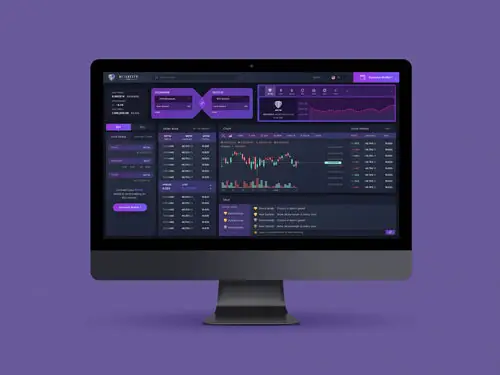
Designul unui site web.
540 USD în 7 zile.
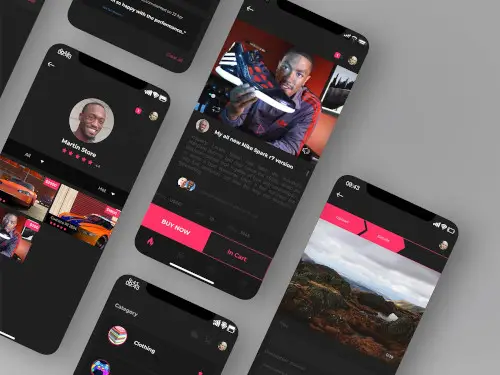
Designul unei aplicații.
100 USD în o singură zi.
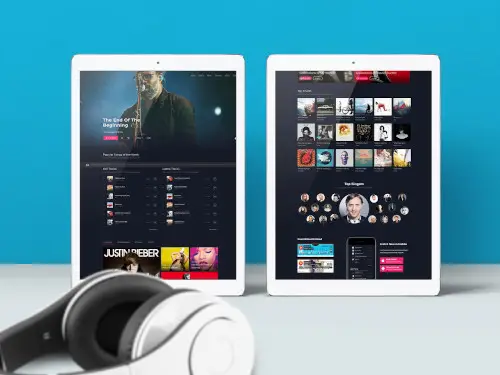
Site web.
430 USD într-o singură zi.

Designul unui site web.
140 USD în 13 zile.

Designul unei aplicații.
200 USD în 19 zile.

Site web.
150 USD în 13 zile.
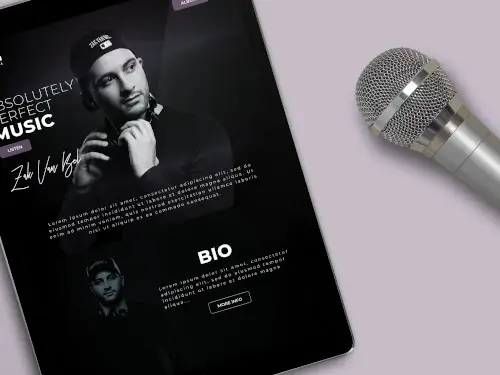
Site web.
240 USD într-o singură zi.
Site web.
100 USD în o singură zi.


Milioane de utilizatori, de la companii mici și până la întreprinderi mare, de la antreprenori la startupuri, folosesc platforma Freelancer pentru a-și pune ideile în practică.
90.3 milioane
90.3 milioane
Utilizatori înregistrați
25.9 milioane
25.9 milioane
Totalul proiectelor postate
Freelancer
Despre
Termeni
Parteneri
Aplicații