
Milioane de persoane folosesc aplicația Freelancer pentru a-ți pune ideile în practică.
Preferat de branduri importante și startupuri


Postează gratuit un proiect și apoi poți lua legătura cu Level Designers calificați, gata să înceapă lucrul chiar astăzi. Compară ofertele, evaluările și portofoliile și plătești serviciile doar când ești mulțumit(ă) de rezultat.
~ 40 sec.
până la plasarea primei oferte
35+
oferte pentru fiecare proiect
36+
Level Designers disponibili online
Fără plăți percepute în avans! Plătești doar când ești mulțumit(ă) de servicii.



9,4
9,4
100%

MOHALI, India
$40 USD pe oră


9,0
9,0
100%

Mabima, Sri Lanka
$15 USD pe oră

8,3
8,3
98%
Kolkata, India
$25 USD pe oră

8,1
8,1
99%
Sitapur, India
$15 USD pe oră

7,4
7,4
100%

Karachi, Pakistan
$10 USD pe oră

8,0
8,0
98%

Sadar, Bangladesh
$5 USD pe oră

7,3
7,3
100%
YAMUNANAGAR, India
$12 USD pe oră

8,3
8,3
99%
Karnal, India
$20 USD pe oră

7,9
7,9
95%

Irvine, United States
$40 USD pe oră
A level designer is a game development specialist who designs, builds, and balances the playable spaces, encounters, and pacing of video game environments using engines such as Unreal Engine and Unity. Hiring a freelance level designer gives studios and indie developers access to the spatial design expertise needed to turn a game concept into engaging, playable content that drives player retention and commercial success.
Level design sits at the intersection of game design, environmental art, and systems balancing. A level designer translates the core mechanics of a game into spaces that teach, challenge, and reward the player. The work is both creative and technical, combining narrative beats, combat encounters, puzzle flow, and progression curves into coherent playable maps.
Typical deliverables from a freelance level designer include greybox or blockout levels, full whitebox prototypes, scripted gameplay events, encounter layouts, navigation meshes, and balanced difficulty curves. Many also produce written design documentation, top-down level maps, pacing diagrams, and reference moodboards that the wider art and engineering team can build against. For live-service titles, level designers also iterate on player telemetry to refine choke points, sightlines, and reward placement.
Tool fluency is a strong proficiency signal when evaluating a level design freelancer. Most professional level designers work in Unreal Engine or Unity, with growing demand for Godot among indie teams. Engine-specific competencies matter — a designer working in Unreal should be comfortable with Blueprints, the World Partition system, and the Landscape tool, while a Unity designer should know ProBuilder, the NavMesh system, and Cinemachine.
Beyond engines, level designers commonly use Hammer for Source titles, Trenchbroom for Quake-style projects, and proprietary editors for established franchises. Supporting tools include Maya, Blender, and 3ds Max for custom geometry, Houdini for procedural content, Perforce or Git for version control, and Jira or Trello for production tracking.
Level designers serve a wide range of game development contexts. Indie studios hire freelancers to design specific campaigns, DLC content, or single chapters of a larger project. AAA studios bring in contractors for overflow work on multiplayer map rotations, seasonal events, or expansion content. Mobile game studios use level designers to build out puzzle levels, runner stages, or match-three boards by the hundreds.
Beyond traditional games, level designers also work on serious games, training simulations, VR experiences for platforms like Meta Quest, escape room digital recreations, architectural walkthroughs, and educational interactive content. Any project that involves a navigable 3D or 2D space with player goals can benefit from level design expertise.
Strong level design freelancers demonstrate their ability through playable portfolios, not just screenshots. Look for downloadable demos, video walkthroughs that explain design decisions, and case studies that document the iteration process from blockout to final pass. Shipped game credits, modding work for established titles, and game jam entries all signal hands-on experience.
Key evaluation criteria include genre specialization (a horror level designer is not interchangeable with a competitive shooter mapper), engine proficiency, scripting ability, and an understanding of pacing, sightlines, and player psychology. Ask for documentation samples as well — a designer who can communicate intent clearly will integrate better with your team.
Sample interview questions to use directly:
Freelancer.com connects game studios with level designers across every genre, engine, and experience level. Whether you need a single mission designed for an indie narrative game or a full multiplayer map rotation for a live-service title, you can find vetted freelancers on Freelancer.com with shipped credits and playable portfolios. The platform's global talent pool means you can match with designers who specialize in your exact genre, from tactical shooters to cozy puzzle games.
Clients set their own budgets and receive competitive bids, with project costs varying based on level complexity, engine choice, and scope. Milestone Payments protect both sides during longer engagements, and the rating system surfaces designers with consistent quality across multiple completed projects.
Hiring a level designer works best when you can give candidates a clear picture of your game, your engine, and the type of space you need built. The process below walks through posting a brief, evaluating bids, and selecting the right designer for your project. Each step is shaped by the specific demands of level design work — engine fluency, genre fit, and portfolio evidence.
The quality of your project brief directly determines the quality of bids you receive. A detailed brief filters for level designers who actually have experience in your engine, genre, and scope, and prevents mismatched proposals from designers who specialize in a different style of game. Head to the
Bids from level designers are short proposals that reveal how each candidate interprets your brief. A strong bid will reference your engine, raise sensible design questions, and propose a realistic blockout-to-polish workflow. Read every proposal carefully and shortlist designers whose understanding of pacing, encounter design, and iteration matches the depth your project needs.
Final selection should combine proposal quality with concrete portfolio and profile evidence. For level designers, this means examining playable demos or video walkthroughs, looking at shipped credits, and reading client reviews from past game projects. Weigh consistency across multiple completed levels rather than judging on a single standout piece.
A single greyboxed level usually takes one to three weeks, while a fully scripted and balanced level with multiple iteration passes can take four to eight weeks. Multi-level campaigns or full map packs are typically scoped in months. Timelines depend heavily on engine, asset availability, and how many playtest revisions are planned.
A game designer defines the overall mechanics, systems, and rules of a game, while a level designer applies those mechanics to specific playable spaces and encounters. Level designers focus on spatial layout, pacing, and encounter design within an established mechanical framework. Many freelancers cover both disciplines, but on larger projects the roles are distinct.
Yes. Freelance level designers frequently take on contained projects such as single missions, DLC chapters, multiplayer maps, or seasonal event spaces. Make sure to provide the existing game build, design pillars, and any technical constraints so the freelancer can match your established style and systems.
Some level designers also provide environment art, but many specialize purely in gameplay layout and scripting, working from greybox to polished playable state without producing final art assets. Clarify upfront whether you need a hybrid designer-artist or a pure level designer who will hand off to a separate art team.
If you have a working game with established mechanics, art style, and tools, a freelance level designer can build content within that framework. If you are starting from scratch, you will likely need a broader team including game designers, programmers, and artists alongside a level designer.

Sistemul de management Freelancer Enterprise
Folosește forța noastră de muncă formată din 90.7 milioane de profesioniști pentru a-ți dezvolta compania.

API-ul platformei Freelancer
De ce să faci angajări când poți mai bine să integrezi forța noastră de muncă talentată, disponibilă în cloud?




Postează un proiect chiar astăzi și primești oferte de la freelanceri calificați
Inspiră-te din proiectele de Level Design
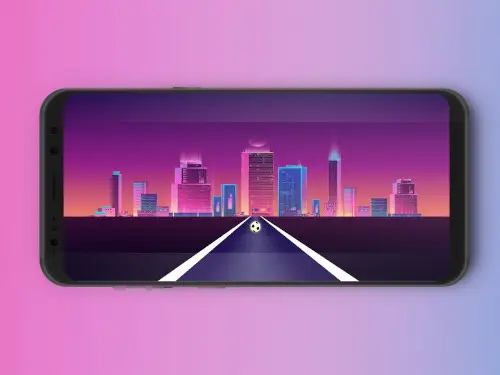
Joc.
50 USD în 9 zile.

Design pentru ambalaje.
110 USD în 4 zile.
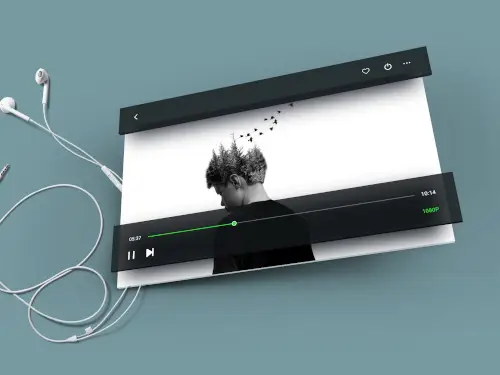
Videoclip muzical.
300 USD în 12 zile.
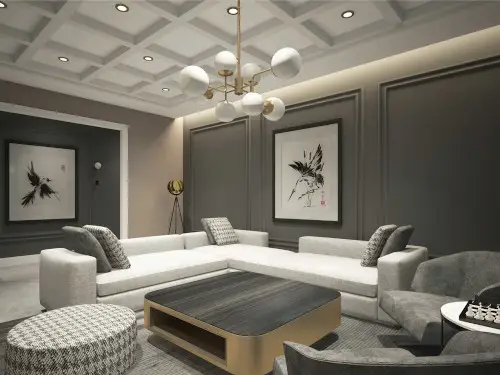
Design interior.
269 USD în 14 zile.
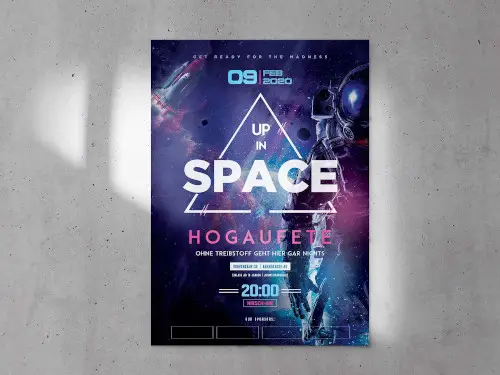
Poster.
100 USD în 3 zile.
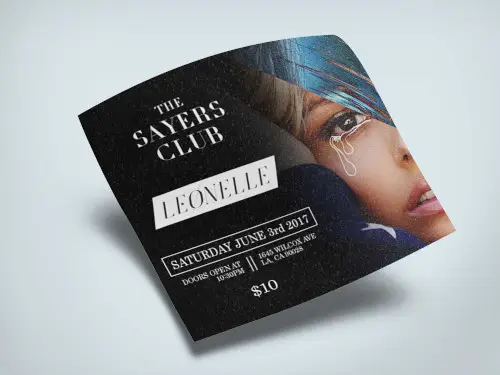
Designul unui pliant.
15 USD într-o singură zi.
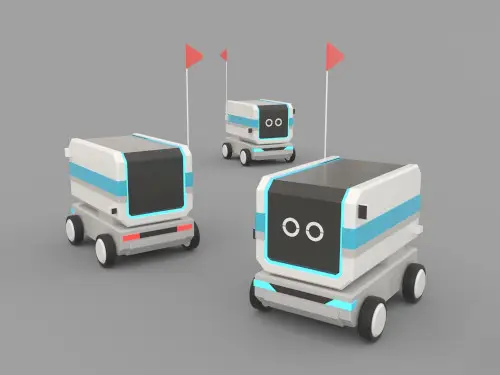
Designul unui concept.
100 USD în 10 zile.
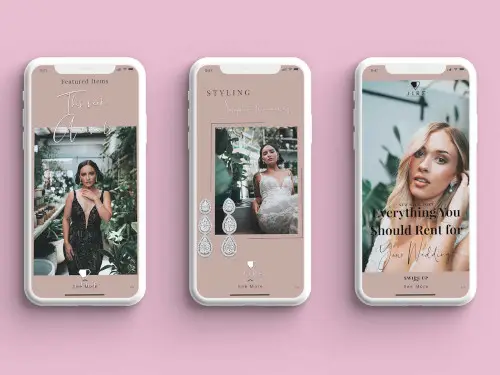
Postare pe rețelele de socializare.
50 USD în 6 zile.


Milioane de utilizatori, de la companii mici și până la întreprinderi mare, de la antreprenori la startupuri, folosesc platforma Freelancer pentru a-și pune ideile în practică.
90.7 milioane
90.7 milioane
Utilizatori înregistrați
25.9 milioane
25.9 milioane
Totalul proiectelor postate
Freelancer
Despre
Termeni
Parteneri
Aplicații