
Milioane de persoane folosesc aplicația Freelancer pentru a-ți pune ideile în practică.
Preferat de branduri importante și startupuri


Postează gratuit un proiect și apoi poți lua legătura cu freelanceri calificați, gata să înceapă lucrul chiar astăzi. Compară ofertele, evaluările și portofoliile și plătești serviciile doar când ești mulțumit(ă) de rezultat.
~ 460 sec.
până la plasarea primei oferte
51+
oferte pentru fiecare proiect
7k+
freelanceri disponibili online
Fără plăți percepute în avans! Plătești doar când ești mulțumit(ă) de servicii.
Lost-wax casting is a metal-forming process where a wax pattern is encased in ceramic investment, melted out, and replaced with molten metal to produce a precise cast object. A lost-wax casting worker handles the full investment casting workflow, from wax pattern preparation and tree assembly through burnout, pouring, divestment, and finishing of the final metal piece.
A freelance lost-wax casting worker, sometimes called an investment casting technician or jewelry caster, transforms wax models or 3D-printed castable resins into finished metal components. The deliverable is a clean, dimensionally accurate cast in gold, silver, brass, bronze, platinum, or specialty alloys, ready for stone setting, polishing, or assembly. For product designers, jewelers, sculptors, and small manufacturers, this skill bridges the gap between a digital model or wax prototype and a usable metal part.
Commercially, the quality of casting determines yield. A skilled caster reduces porosity, shrinkage, and incomplete fills, which directly cuts rework costs and material waste on precious metals. That technical control is why experienced casters are a critical hire for jewelry brands and short-run metal production.
The scope of a lost-wax casting project typically includes some or all of the following:
Experienced casters work across a range of metals and adjust burnout, flask temperature, and pour temperature for each. Common materials include sterling silver, fine silver, yellow and white gold across karats, rose gold, palladium and platinum group metals, bronze, brass, copper, and pewter. Some specialists also cast aluminium and stainless steel for industrial and sculptural work. Casters who handle reactive alloys or platinum typically use dedicated crucibles and inert gas environments to prevent contamination.
Lost-wax casting workers serve a clear set of buyers:
Strong candidates show a portfolio of cast pieces in the alloy and scale you need, with close-up images of cast surfaces before finishing. That raw cast quality reveals more than a polished hero shot. Look for evidence of consistent results across different geometries, including thin walls, fine filigree, and heavier signet or sculpture work.
Useful signals include hands-on experience with specific casting equipment, familiarity with castable resin printing for CAD workflows, knowledge of investment ratios and burnout schedules, and a track record working with precious metals where loss tolerance is low. Bench skills such as sprue cutting, pre-polishing, and basic stone-friendly finishing are a plus.
Sample interview questions you can copy and use:
Many casting projects benefit from related freelance skills you can hire alongside or in sequence: jewelry CAD design in Rhino, MatrixGold, or ZBrush; 3D printing of castable resins; mold making in vulcanised or RTV silicone; stone setting; hand engraving; and final polishing and plating. Bundling these on a single brief often produces a smoother handoff than splitting work across unrelated suppliers.
Freelancer.com gives you access to a global pool of casting specialists, jewelry technicians, and small foundry operators across major manufacturing hubs. You can compare portfolios, equipment lists, and client reviews side by side, and shortlist freelancers whose alloy and scale experience matches your project. Clients on Freelancer.com set their own budgets and receive competitive bids, so pricing reflects the real scope of the work rather than a fixed catalog rate. Milestone Payments hold funds securely until each stage of the cast is approved, which is particularly valuable when you are shipping wax models or precious metal to a remote workshop.
Ready to move your wax patterns or CAD models into finished metal?
Hiring a caster is mostly about communicating geometry, alloy, and finish expectations clearly so bidders can quote accurate burnout, flask, and metal requirements. The clearer your brief, the more reliable the bids, and the lower the chance of failed pours or surface defects on the first attempt. The process below walks through posting, reviewing bids, and awarding the work.
Your project post is the single biggest determinant of bid quality, because casting outcomes depend heavily on pattern type, alloy, and tolerance. A precise brief filters for casters whose equipment and material experience genuinely match what you need. Head to the
Bids on a casting brief should read as short technical proposals, not just price quotes. A strong proposal shows that the freelancer has thought about pattern preparation, sprue strategy, and burnout schedule for your specific geometry, and surfaces any risks before the flask is poured. Use the chat to ask follow-up questions before shortlisting.
The final decision combines proposal quality with profile evidence. For casting work, weigh consistency across many pieces over a single hero image, since reliable yield is what protects your metal and timeline. Star ratings, written reviews from jewelers and product designers, and a high completion rate are particularly meaningful signals.
A single flask cycle, from investment to divestment, typically runs one to two days because of the burnout schedule. Most freelancers turn around small jewelry casting jobs within a week of receiving wax patterns or printed resins, with additional time for finishing and shipping.
Yes. Most lost-wax casting workers accept client-supplied injection waxes, hand-carved waxes, and castable resin prints. Confirm in advance which resin brands they have validated for their burnout cycle, since not all castable resins behave the same.
Lost-wax, or investment, casting uses a one-time ceramic shell built around a wax pattern, producing fine detail and smooth surfaces suited to jewelry and intricate parts. Sand casting uses reusable sand molds and is better suited to larger, simpler shapes where surface finish matters less.
Both arrangements are common. Many freelancers offer casting in their own stock silver, brass, or bronze, while precious metal jobs in gold or platinum are often cast from client-supplied material with documented weight reconciliation.
For prototypes, bespoke pieces, and short runs in jewelry-scale alloys, a freelance lost-wax casting worker is usually the right fit. Higher-volume industrial production or large bronze sculpture editions may warrant a dedicated foundry, though many freelancers can scale up or coordinate with one.

Sistemul de management Freelancer Enterprise
Folosește forța noastră de muncă formată din 90.7 milioane de profesioniști pentru a-ți dezvolta compania.

API-ul platformei Freelancer
De ce să faci angajări când poți mai bine să integrezi forța noastră de muncă talentată, disponibilă în cloud?




Postează un proiect chiar astăzi și primești oferte de la freelanceri calificați
Inspiră-te din proiectele de Lost-wax Casting

Joc.
50 USD în 9 zile.
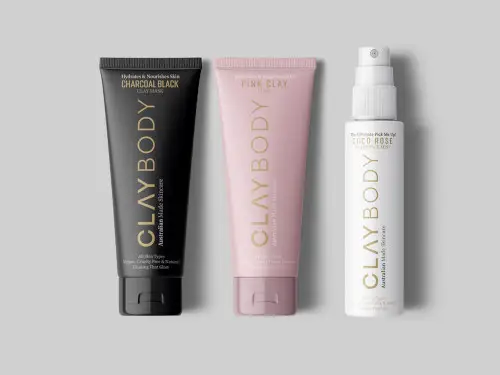
Design pentru ambalaje.
110 USD în 4 zile.

Videoclip muzical.
300 USD în 12 zile.

Design interior.
269 USD în 14 zile.

Poster.
100 USD în 3 zile.
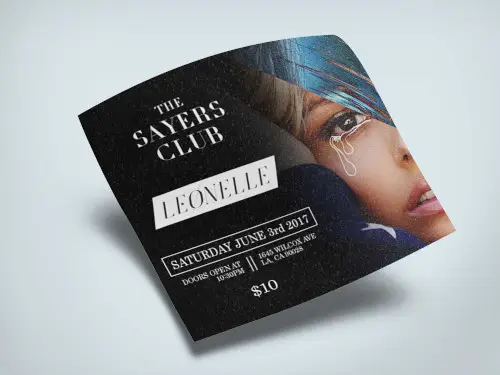
Designul unui pliant.
15 USD într-o singură zi.

Designul unui concept.
100 USD în 10 zile.
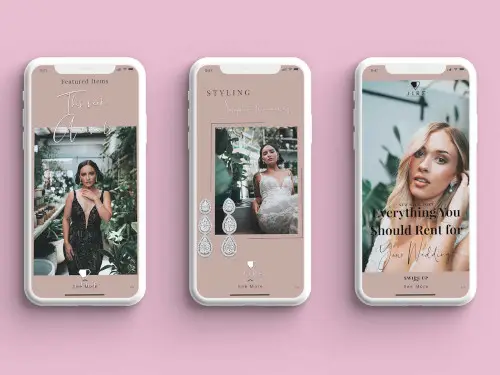
Postare pe rețelele de socializare.
50 USD în 6 zile.


Milioane de utilizatori, de la companii mici și până la întreprinderi mare, de la antreprenori la startupuri, folosesc platforma Freelancer pentru a-și pune ideile în practică.
90.7 milioane
90.7 milioane
Utilizatori înregistrați
25.9 milioane
25.9 milioane
Totalul proiectelor postate
Freelancer
Despre
Termeni
Parteneri
Aplicații