
Milioane de persoane folosesc aplicația Freelancer pentru a-ți pune ideile în practică.
Preferat de branduri importante și startupuri


Postează gratuit un proiect și apoi poți lua legătura cu freelanceri calificați, gata să înceapă lucrul chiar astăzi. Compară ofertele, evaluările și portofoliile și plătești serviciile doar când ești mulțumit(ă) de rezultat.
~8 min
până la plasarea primei oferte
53+
oferte pentru fiecare proiect
8k+
freelanceri disponibili online
Fără plăți percepute în avans! Plătești doar când ești mulțumit(ă) de servicii.

4,0
4,0
100%

Dhaka, Bangladesh
$25 USD pe oră


7,7
7,7
95%

CHENNAI, India
$20 USD pe oră

4,5
4,5
100%

Rawalpindi, Pakistan
$20 USD pe oră

0,0
0,0
100%

Cape Town, South Africa
$10 USD pe oră
An Open Journal Systems developer is a software specialist who installs, customizes, and maintains OJS, the open-source journal publishing platform built by the Public Knowledge Project for academic and scholarly publishing. These freelancers configure submission workflows, design custom themes, integrate plugins, and migrate journals between OJS versions so editorial teams can publish peer-reviewed content reliably online.
Open Journal Systems (OJS) powers thousands of scholarly journals worldwide, and a freelance OJS developer is the technical bridge between editorial staff and the publishing platform. They handle everything from server setup and PHP configuration to custom theme development, plugin coding, and DOI registration with Crossref.
Hiring an experienced OJS specialist matters commercially because journal indexing, citation tracking, and reader trust all depend on a properly configured platform. A misconfigured installation can break submissions, lose metadata, or fail compliance with indexing services like DOAJ, Scopus, or PubMed Central. A skilled developer protects the journal's reputation and keeps editorial workflows running.
OJS freelancers cover the full lifecycle of a journal platform, from initial deployment to ongoing maintenance. Typical deliverables include:
Strong OJS developers are fluent in the underlying stack that powers the platform. Expect proficiency in PHP, MySQL or PostgreSQL, JavaScript, HTML, CSS, and the Smarty templating language. Familiarity with Git, Composer, command-line server administration, and Apache or Nginx is standard.
Adjacent skills that come up regularly include JATS XML production, BITS book schema work for Open Monograph Press, Crossref API integration, ORCID authentication, and front-end frameworks for theme customization. Many OJS developers also handle related Public Knowledge Project software such as Open Conference Systems and Open Preprint Systems.
OJS is used primarily by:
Common projects include launching a new open-access journal, rescuing a stalled OJS installation, redesigning an outdated journal site, or preparing a journal for indexing applications.
Look for developers with verifiable OJS experience, not just general PHP backgrounds. Strong candidates can point to live journal sites they have built or maintained, demonstrate familiarity with both OJS 2 and OJS 3 codebases, and understand scholarly publishing standards like Crossref, COUNTER, and OAI-PMH.
Portfolio markers to look for include custom OJS themes in production, contributed plugins on the PKP plugin gallery or GitHub, successful version migrations, and journals indexed in DOAJ or Scopus. Contributions to the PKP community forum or GitHub repositories signal deep platform knowledge.
Sample interview questions you can use directly:
Freelancer.com hosts a global pool of OJS specialists, PHP developers, and scholarly publishing experts who have completed projects for universities, research institutes, and independent journals across every continent. Because OJS expertise is niche, having access to a worldwide talent pool dramatically improves your chances of finding a developer with the exact version experience, language capability, and domain knowledge your journal requires.
Clients post a project on Freelancer.com, set their own budget, and receive competitive bids from vetted freelancers with verified profiles, public ratings, and reviewable portfolios. Milestone Payments hold funds securely until you approve each stage of work, which is particularly useful for multi-phase OJS engagements like migrations or theme builds.
Ready to launch, migrate, or modernize your scholarly journal?
Hiring an OJS developer works best when you treat the project as a publishing engagement, not just a coding task. The clearer you are about your journal's current state, target indexing services, and editorial workflow, the better the bids you will receive. Below is the process most clients follow.
The brief is the single biggest determinant of bid quality, because OJS work varies enormously between a fresh install and a complex migration. A clear post filters for developers who genuinely match your version, hosting, and indexing requirements. Head to the
Bids on a well-written OJS brief are short proposals that reveal how the developer interprets your journal's needs. A strong proposal references your specific OJS version, asks intelligent clarifying questions about workflow or indexing, and outlines a realistic phased approach rather than a single lump estimate.
Final selection combines proposal quality with profile evidence. For OJS, consistency across multiple journal builds matters more than a single impressive site, because the platform rewards developers who have seen many editorial workflows and indexing requirements.
A fresh OJS installation with basic configuration can be completed in a few days, while a full custom theme build, plugin development, or OJS 2 to OJS 3 migration usually takes several weeks. Timeline depends on content volume, customization depth, and how much editorial workflow configuration is required.
Yes. Many clients hire OJS freelancers for single tasks like a version upgrade, a Crossref plugin fix, a DOAJ application audit, or a theme tweak. You can post a tightly scoped project and receive bids specifically for that work without committing to a long-term engagement.
A general PHP developer can read OJS code but may not understand scholarly publishing workflows, JATS XML, OAI-PMH, or Crossref deposit formats. An OJS specialist already knows the plugin architecture, the editorial role system, and the indexing requirements, which dramatically reduces ramp-up time and the risk of breaking core functionality.
Editorial teams can handle day-to-day journal management once the platform is configured, but installation, upgrades, theme work, plugin development, and integrations almost always require a developer. Many journals keep an OJS freelancer on retainer for periodic maintenance and security updates.
Yes. Experienced OJS developers regularly migrate journals from WordPress, custom CMS systems, static HTML archives, or legacy OJS 2 installations into modern OJS 3 environments while preserving article metadata, DOIs, issue structure, and back content.

Sistemul de management Freelancer Enterprise
Folosește forța noastră de muncă formată din 90.7 milioane de profesioniști pentru a-ți dezvolta compania.

API-ul platformei Freelancer
De ce să faci angajări când poți mai bine să integrezi forța noastră de muncă talentată, disponibilă în cloud?



Postează un proiect chiar astăzi și primești oferte de la freelanceri calificați
Inspiră-te din proiectele de Open Journal Systems
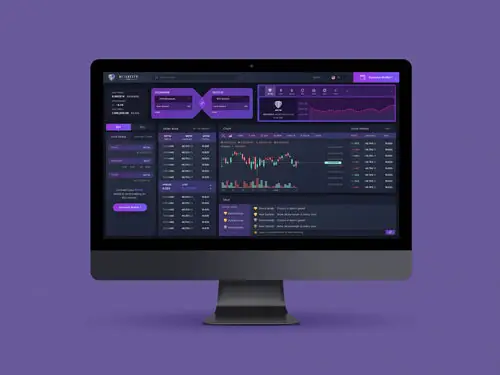
Designul unui site web.
540 USD în 7 zile.
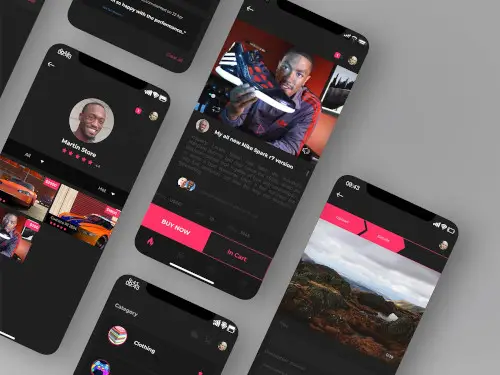
Designul unei aplicații.
100 USD în o singură zi.

Site web.
430 USD într-o singură zi.

Designul unui site web.
140 USD în 13 zile.

Designul unei aplicații.
200 USD în 19 zile.

Site web.
150 USD în 13 zile.

Site web.
240 USD într-o singură zi.

Site web.
100 USD în o singură zi.


Milioane de utilizatori, de la companii mici și până la întreprinderi mare, de la antreprenori la startupuri, folosesc platforma Freelancer pentru a-și pune ideile în practică.
90.7 milioane
90.7 milioane
Utilizatori înregistrați
25.9 milioane
25.9 milioane
Totalul proiectelor postate
Freelancer
Despre
Termeni
Parteneri
Aplicații