
Milioane de persoane folosesc aplicația Freelancer pentru a-ți pune ideile în practică.
Preferat de branduri importante și startupuri



OpenSSL is the open-source gatekeeper of secure online communications. It's a robust library that implements SSL and TLS protocols, providing encryption and cryptographic capabilities to secure data transmission over networks. From safeguarding e-commerce transactions to encrypting sensitive information, OpenSSL is the backbone of internet security. Developers leverage OpenSSL to build secure web applications, protect server communications, and ensure data integrity.

Ready to fortify your digital fortress? The best way to find a quality OpenSSL Developer is on Freelancer. With the widest range of experts specializing in SSL/TLS, cryptography, and network security, Freelancer makes connecting with top talent a breeze.
Postează gratuit un proiect și apoi poți lua legătura cu freelanceri calificați, gata să înceapă lucrul chiar astăzi. Compară ofertele, evaluările și portofoliile și plătești serviciile doar când ești mulțumit(ă) de rezultat.
~6 min
până la plasarea primei oferte
57+
oferte pentru fiecare proiect
7k+
freelanceri disponibili online
Fără plăți percepute în avans! Plătești doar când ești mulțumit(ă) de servicii.



9,1
9,1
100%

MAUR MANDI, India
$40 USD pe oră

7,7
7,7
100%

Lahore, Pakistan
$10 USD pe oră

7,9
7,9
99%

Hetauda, Nepal
$75 USD pe oră

8,8
8,8
99%

Myronivskyi, Ukraine
$32 USD pe oră

8,7
8,7
95%
Panchkula, India
$15 USD pe oră

7,9
7,9
100%

Villa De Merlo, Argentina
$25 USD pe oră

7,9
7,9
97%
CHERTHALA, India
$50 USD pe oră

8,0
8,0
98%
Visakhapatnam, India
$25 USD pe oră

8,5
8,5
100%
MALAPPURAM, India
$50 USD pe oră
An OpenSSL developer is a software engineer who implements, configures, and customizes the OpenSSL cryptographic library to secure applications, networks, and data through TLS/SSL protocols, certificate management, and encryption routines. These specialists work at the intersection of cryptography and systems programming, building the secure communication layers that protect sensitive transactions, APIs, and user data across modern software stacks.
OpenSSL developers produce the cryptographic backbone of secure software. They integrate the OpenSSL library into C, C++, Python, Go, and Node.js applications, configure TLS handshakes, generate and manage X.509 certificates, and implement encryption, decryption, hashing, and digital signing workflows. Their work directly impacts compliance, data protection, and the trust signals that customers and regulators expect from production systems.
A skilled OpenSSL engineer ships code that is both cryptographically correct and performant. Misconfigured cipher suites, weak key generation, or careless certificate handling create vulnerabilities that propagate across an entire infrastructure. Hiring an experienced OpenSSL specialist prevents those failures and produces audit-ready implementations.
OpenSSL developers work fluently with the OpenSSL toolkit itself, including libssl, libcrypto, and the openssl command-line utility. They commonly pair OpenSSL with related cryptographic and networking technologies such as BoringSSL, LibreSSL, wolfSSL, and mbedTLS for cross-library compatibility work. Many engagements involve integration with NGINX, Apache HTTP Server, HAProxy, and stunnel, where OpenSSL underpins the TLS termination layer.
On the certificate authority side, freelancers often work with Let's Encrypt, ACME clients like Certbot, HashiCorp Vault PKI, step-ca, and EJBCA. For HSM and key management integration, expect familiarity with PKCS#11, AWS KMS, Azure Key Vault, Google Cloud KMS, and YubiHSM. Adjacent skills include C and C++ systems programming, Linux kernel and network programming, secure coding practices, threat modeling, and DevSecOps pipeline integration.
OpenSSL expertise is in demand wherever data confidentiality, integrity, and authentication matter. Common industries include fintech and payments, where PCI DSS compliance requires strong TLS and key management. Healthcare and HIPAA-regulated software depend on OpenSSL for encrypted patient data exchange. Government, defense, and critical infrastructure projects often require FIPS-validated cryptography.
Use cases span IoT firmware security, VPN appliances, secure messaging platforms, blockchain node communication, embedded device authentication, e-commerce checkout flows, API gateway TLS termination, and zero-trust network architectures. Software vendors building on-premise products also hire OpenSSL developers to embed licensing and update verification systems.
Strong OpenSSL freelancers demonstrate deep cryptographic literacy alongside production C/C++ experience. Look for portfolios showing TLS integration work, contributions to open-source security projects, CVE disclosures or patches, and experience with certificate authority operations. Certifications such as CISSP, OSCP, or vendor-specific PKI credentials add credibility, though hands-on evidence matters more than paperwork.
Review their understanding of OpenSSL 3.x architectural changes, including the move from engines to providers, the FIPS provider model, and the deprecation of low-level APIs. Ask for code samples that show defensive memory handling, proper error checking on every cryptographic call, and constant-time comparison logic where relevant.
Sample interview questions you can use directly:
Freelancer.com gives you access to a global pool of cryptography and security engineers with verified profiles, transparent ratings, and detailed work histories. Whether you need a short engagement to patch a vulnerable OpenSSL version or a long-term contractor to build a PKI from scratch, you can review portfolios, compare bids, and shortlist freelancers on Freelancer.com who match your technical requirements. The platform's Milestone Payments system protects your budget while giving the developer confidence to commit to the work.
With millions of freelancers worldwide, you can find OpenSSL specialists across time zones, language preferences, and industry specializations. Clients set their own budgets and receive competitive bids, so pricing reflects the scope of your project and the experience level you need.
Hiring an OpenSSL developer is straightforward when you approach it with a clear technical brief. Cryptographic work is unforgiving of ambiguity, so the more precise your project post, the better the bids you receive. The three steps below walk you through posting, reviewing, and awarding the project.
Your project brief is the single biggest determinant of bid quality, especially for cryptographic work where small details change the entire scope. A clear brief filters for OpenSSL developers whose experience genuinely matches your stack, target OpenSSL version, and compliance needs. Head to the
Bids are short proposals that reveal how each OpenSSL developer interprets your brief. Read them carefully — a strong bid for cryptographic work shows technical understanding, not just availability. Shortlist candidates whose proposals demonstrate they have done this exact type of work before and who raise the right clarifying questions.
The final decision combines proposal quality with profile evidence. For OpenSSL work, you want consistency across past cryptographic projects rather than a single impressive sample. Look for developers who show sustained engagement in security and systems programming work.
An OpenSSL developer specializes in implementing and customizing the OpenSSL library at the code level, including cryptographic primitives, TLS integration, and PKI tooling. A general security engineer covers a broader scope including network security, application security, and policy. Hire an OpenSSL specialist when the work centers on cryptographic implementation rather than security operations.
For straightforward certificate installation on NGINX or Apache, a system administrator is usually sufficient. You need a dedicated OpenSSL developer when the work involves custom integration, application-level cryptography, FIPS compliance, building a private CA, or remediating vulnerabilities in C/C++ code that uses libcrypto directly.
A focused task such as patching an OpenSSL version or hardening cipher suites can take a few days. Building a full PKI, implementing mutual TLS across a microservices architecture, or migrating a large codebase from OpenSSL 1.1 to 3.x typically runs several weeks to a few months depending on scope and testing requirements.
Yes. Experienced OpenSSL developers can build and integrate the FIPS provider in OpenSSL 3.x, configure your application to operate in FIPS mode, and document the cryptographic boundary for audit purposes. They cannot grant certification themselves, but they prepare your codebase to meet the technical requirements.
For most defined cryptographic tasks, a skilled freelancer delivers faster and at lower overhead than an agency. Agencies make sense when you need a multidisciplinary team handling security, compliance, and infrastructure together. For targeted OpenSSL work, freelancers on Freelancer.com offer the right balance of expertise and flexibility.

Sistemul de management Freelancer Enterprise
Folosește forța noastră de muncă formată din 90.7 milioane de profesioniști pentru a-ți dezvolta compania.

API-ul platformei Freelancer
De ce să faci angajări când poți mai bine să integrezi forța noastră de muncă talentată, disponibilă în cloud?




Postează un proiect chiar astăzi și primești oferte de la freelanceri calificați
Inspiră-te din proiectele de OpenSSL
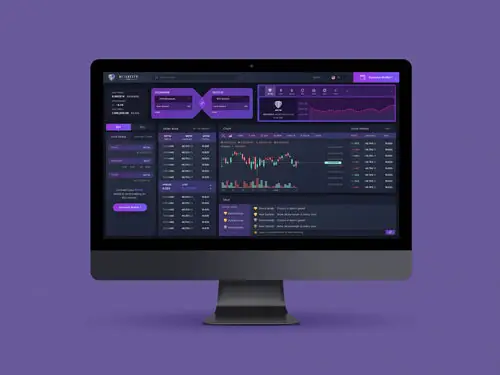
Designul unui site web.
540 USD în 7 zile.
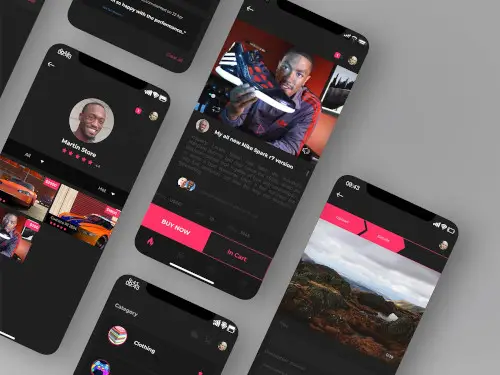
Designul unei aplicații.
100 USD în o singură zi.

Site web.
430 USD într-o singură zi.

Designul unui site web.
140 USD în 13 zile.

Designul unei aplicații.
200 USD în 19 zile.

Site web.
150 USD în 13 zile.

Site web.
240 USD într-o singură zi.

Site web.
100 USD în o singură zi.


Milioane de utilizatori, de la companii mici și până la întreprinderi mare, de la antreprenori la startupuri, folosesc platforma Freelancer pentru a-și pune ideile în practică.
90.7 milioane
90.7 milioane
Utilizatori înregistrați
25.9 milioane
25.9 milioane
Totalul proiectelor postate
Freelancer
Despre
Termeni
Parteneri
Aplicații