
Milioane de persoane folosesc aplicația Freelancer pentru a-ți pune ideile în practică.
Preferat de branduri importante și startupuri


Postează gratuit un proiect și apoi poți lua legătura cu freelanceri calificați, gata să înceapă lucrul chiar astăzi. Compară ofertele, evaluările și portofoliile și plătești serviciile doar când ești mulțumit(ă) de rezultat.
~ 270 sec.
până la plasarea primei oferte
58+
oferte pentru fiecare proiect
6k+
freelanceri disponibili online
Fără plăți percepute în avans! Plătești doar când ești mulțumit(ă) de servicii.
A PEGA PRPC Developer is a specialist who builds, configures, and customizes business applications on the Pega Platform (formerly PRPC, PegaRULES Process Commander) to automate workflows, decisions, and case management. These developers translate complex business processes into Pega applications using rules, flows, data models, and user interfaces that run on the Pega engine. Hiring a skilled Pega PRPC developer accelerates digital process automation, reduces manual handoffs, and produces enterprise-grade case management systems that scale across departments.
A Pega PRPC developer delivers production-ready Pega applications built around case types, work objects, and decisioning rules. Their work directly impacts customer service speed, claims processing accuracy, loan origination throughput, and compliance traceability. Because Pega is a model-driven, low-code platform, a competent Pega developer cuts delivery time on workflow automation projects compared to writing equivalent logic in traditional Java stacks.
Typical deliverables from a Pega PRPC developer include:
The Pega Platform is wide. A strong Pega PRPC developer is fluent in the rule resolution algorithm, class inheritance (pattern and direct), and the rule types that make up an application. They should be comfortable in Designer Studio or App Studio depending on the platform version, and able to work across both legacy PRPC versions and modern Pega Infinity releases.
Pega applications are most commonly deployed in regulated, high-volume industries where case management and decisioning drive the business. A freelance Pega developer typically works on projects in:
Pega is certification-driven, which gives clients a useful baseline signal. Look for Pega Certified System Architect (CSA), Senior System Architect (CSSA), or Lead System Architect (LSA) credentials. LSA certification indicates the developer can architect class structures, performance-tune rule resolution, and lead enterprise design decisions. CSSA is appropriate for most mid-complexity build work.
Beyond certifications, check for hands-on experience with case management implementations, integration-heavy projects, and at least one full SDLC cycle on Pega. Portfolio markers worth requesting include sanitized class diagrams, case type designs, and examples of complex decision logic the developer authored.
Sample interview questions a client can use:
Freelancer.com gives you access to a global pool of Pega-certified system architects, senior system architects, and lead system architects who have shipped applications across banking, insurance, healthcare, and telecom. You can compare profiles, certifications, completed Pega projects, and client reviews side by side before awarding any work. Whether you need a short engagement to fix a broken flow rule, a senior architect to lead a Pega Infinity upgrade, or a long-term contractor to build a new case management application, you will find qualified freelancers on Freelancer.com ready to bid. Clients set their own budgets and receive competitive proposals, and Milestone Payments protect funds until deliverables are accepted.
Hiring a Pega PRPC developer works best when your brief reflects the technical reality of the work — the Pega version, the rule types involved, and the integration surface. The clearer your project description, the more accurate the bids you receive. Follow the three steps below to move from brief to awarded project.
The project post is the single biggest determinant of bid quality. A vague Pega brief attracts generic proposals, while a specific brief filters for developers whose certifications and hands-on experience genuinely match the work. Head to the
Bids on a Pega project are short proposals that reveal how the freelancer interprets your case design, integration needs, and rule architecture. Read each proposal carefully — a strong Pega developer will surface clarifying questions about class structure, ruleset strategy, or existing technical debt rather than simply quoting a price. Use Freelancer.com's chat to probe shortlisted candidates before deciding.
The final decision combines proposal quality with profile evidence. For Pega work, weigh consistency across multiple completed projects rather than one impressive example, since enterprise Pega applications reward developers who have shipped, debugged, and maintained real systems. Verify certifications and review patterns of on-time delivery on similar BPM, case management, or integration work.
PRPC (PegaRULES Process Commander) is the original product name used through version 7.x. From version 8 onward, Pegasystems rebranded the product as Pega Platform or Pega Infinity. The underlying engine, rule types, and class hierarchy concepts are the same, so a developer with PRPC experience can typically work on modern Pega versions with minimal ramp-up.
For configuration, build, and standard case type work, a Certified System Architect (CSA) or Senior System Architect (CSSA) is usually sufficient. For greenfield architecture, enterprise class structure design, performance tuning, or upgrading large legacy applications, hire a Lead System Architect (LSA). Many projects benefit from an LSA on design and a CSSA on build.
Yes. Common short engagements include bug fixes, integration development, report building, UI customization, or version upgrade assessments. Define the scope clearly in your brief so freelancers can quote a realistic timeline and effort.
A small case type with a handful of stages and basic integrations can be delivered in a few weeks. A full enterprise application with multiple case types, decisioning, and external integrations typically runs several months and is best delivered in agile sprints with regular playbacks.
A Pega developer (system architect) builds the application: rules, classes, integrations, and UI. A Pega Business Architect (PCBA) focuses on capturing requirements, designing case life cycles in DCO sessions, and translating business needs into Pega artifacts. Larger projects use both roles together.

Sistemul de management Freelancer Enterprise
Folosește forța noastră de muncă formată din 90.6 milioane de profesioniști pentru a-ți dezvolta compania.

API-ul platformei Freelancer
De ce să faci angajări când poți mai bine să integrezi forța noastră de muncă talentată, disponibilă în cloud?




Postează un proiect chiar astăzi și primești oferte de la freelanceri calificați
Inspiră-te din proiectele de PEGA PRPC
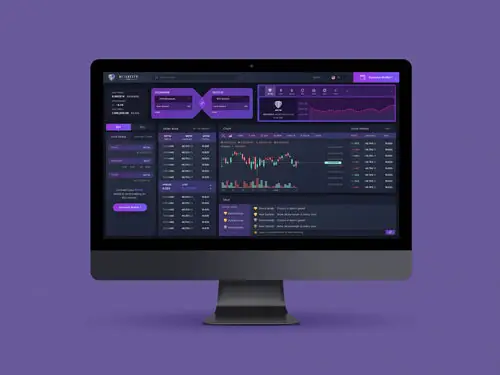
Designul unui site web.
540 USD în 7 zile.
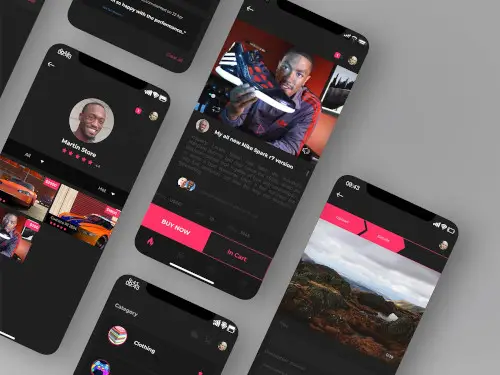
Designul unei aplicații.
100 USD în o singură zi.

Site web.
430 USD într-o singură zi.

Designul unui site web.
140 USD în 13 zile.

Designul unei aplicații.
200 USD în 19 zile.

Site web.
150 USD în 13 zile.

Site web.
240 USD într-o singură zi.

Site web.
100 USD în o singură zi.


Milioane de utilizatori, de la companii mici și până la întreprinderi mare, de la antreprenori la startupuri, folosesc platforma Freelancer pentru a-și pune ideile în practică.
90.6 milioane
90.6 milioane
Utilizatori înregistrați
25.9 milioane
25.9 milioane
Totalul proiectelor postate
Freelancer
Despre
Termeni
Parteneri
Aplicații