
Discută pe chat cu Ava, consultantul tău de afaceri care funcționează pe bază de inteligență artificială

Bună! Sunt Ava, ghidul tău de inteligență artificială care te va ajuta să-ți dezvolți compania.
Dacă ai deja o companie sau visezi să înființezi una, îți stau la dispoziție pentru a te ajuta să-ți transpui viziunea în realitate cu ajutorul freelancerilor care folosesc inteligența artificială. Oferă-mi detalii despre obiectivele tale de afaceri și, împreună, vom crea un proiect la care să poată licita freelancerii noștri talentați. Hai să-ți punem ideile în practică!
Am o companie
Înființez o companie
A apărut o eroare când am încercat să-ți trimitem conversația la adresa de e-mail. Încearcă din nou mai târziu.
Poți salva conversația doar o dată pe oră. Încearcă din nou mai târziu.
Conversația este prea scurtă. Pentru a o putea salva, continuă să discuție cu Ava.

Angajează
Component Engineers
experți pentru orice proiect
Milioane de persoane folosesc Freelancer.com pentru a-și pune ideile în practică.
Branduri importante și start-upuri îi acordă încredere



Ce presupune Product End of Life (EOL)?
When an electrical component reaches its End-of-Life, the manufacturer of the product stops manufacturing, marketing, selling, or sustaining it. To sustain the production of your product, a substitute must be found which can directly impact its design.

Angajează a Component Engineer
Hire a Component Engineer to help retire old or decommissioned products or find substitutes for EOL parts.
Angajează Component Engineers


$45 pe oră

₹10 pe oră

₹60 pe oră

€5 pe oră
Clienții evaluează Component Engineers oferindu-le
5 din 5 stele
din 12 recenzii
Cum să angajezi un Component Engineer excelent, care lucrează ca freelancer
Product End of Life (EOL) involves the process of ceasing production and sales of a product. It involves end-of-life planning, assessment, and execution. An EOL expert can help with developing an EOL strategy for a product, evaluate the impact of declining sales, and define new areas for repositioning products when required.
When interviewing potential freelancers for an EOL role, you should look for individuals who have experience in forecasting trends, evaluating customer preferences and buying cycles in the industry, and formulating strategies. In addition to technical expertise, a good candidate will possess excellent communication skills and a customer-oriented mindset.
Typical freelance Product EOL experts will charge an hourly rate of between $50-$100 per hour. Rates can vary depending on the project scope, qualifications and experience level. You should also look for a freelancer who has experience in project management to ensure the timely completion of tasks.
Hiring a freelance Product EOL expert on Freelancer.com gives you access to experienced professionals who are able to provide top-class services quickly and cost-effectively. It's easy to find experts with the right skill set and post projects that they can bid on so that you can get the best deal possible on your project. Take the time to find the perfect expert today!

Sistemul de management Freelancer Enterprise
Trebuie să te încadrezi în bugetul companiei? Realizează mai multe proiecte, la costuri reduse!
Folosește forța noastră de muncă, formată din 50 de milioane de persoane, pentru a-ți ajuta compania să se dezvolte.

API-ul platformei Freelancer
50 de milioane de profesioniști, disponibili la cerere
De ce să faci angajări când poți mai bine să integrezi forța noastră de muncă talentată, disponibilă în cloud?
Cum decurge angajarea unui Component Engineer

1. Postează un proiect

2. Alege freelancerii

3. Urmărește evoluția

4. Plătește în siguranță
Deci ce mai aștepți?
Postează un proiect chiar astăzi și primești oferte de la freelanceri calificați
Serviciile evidențiate ale freelancerilor noștri
Inspiră-te din proiectele din domeniul Product End of Life (EOL)

Descoperă mai multe
Joc.
50 USD în 9 zile.

Descoperă mai multe
Design pentru ambalaje.
110 USD în 4 zile.
Descoperă mai multe
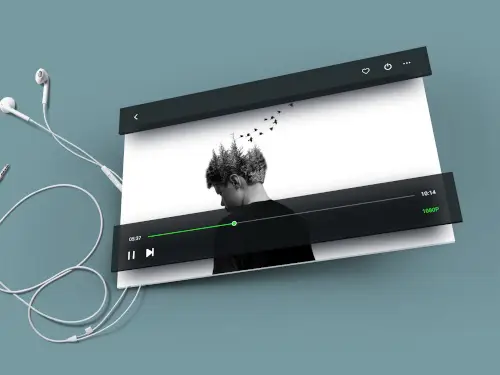
Videoclip muzical.
300 USD în 12 zile.

Descoperă mai multe
Design interior.
269 USD în 14 zile.

Descoperă mai multe
Poster.
100 USD în 3 zile.

Descoperă mai multe
Designul unui pliant.
15 USD într-o singură zi.
Descoperă mai multe
Designul unui concept.
100 USD în 10 zile.

Descoperă mai multe
Postare pe rețelele de socializare.
50 USD în 6 zile.
Conform prezentării din


Cea mai mare platformă din lume
Milioane de utilizatori, de la companii mici la întreprinderi mari, de la antreprenori la start-upuri, folosesc Freelancer.com pentru a-și transforma ideile în realitate.
72.7milioane
72.7milioane
Utilizatori înregistrați
23.6milioane
23.6milioane
Totalul proiectelor postate
Cauți freelanceri pentru alte tipuri de servicii?
Mulțumim! Ți-am trimis prin e-mail linkul pe care trebuie să-l accesezi pentru a revendica creditul gratuit.
A apărut o eroare la trimiterea e-mailului. Încearcă din nou.



Nu s-a putut efectua copierea în clipboard. Încearcă din nou după ce-ți ajustezi permisiunile.
S-a copiat în clipboard.
Se încarcă previzualizarea
S-a oferit permisiunea de depistare a locației.
Ți-a expirat sesiunea pentru conectare sau te-ai deconectat. Conectează-te din nou.