
Discută pe chat cu Ava, consultantul tău de afaceri care funcționează pe bază de inteligență artificială

Bună! Sunt Ava, ghidul tău de inteligență artificială care te va ajuta să-ți dezvolți compania.
Dacă ai deja o companie sau visezi să înființezi una, îți stau la dispoziție pentru a te ajuta să-ți transpui viziunea în realitate cu ajutorul freelancerilor care folosesc inteligența artificială. Oferă-mi detalii despre obiectivele tale de afaceri și, împreună, vom crea un proiect la care să poată licita freelancerii noștri talentați. Hai să-ți punem ideile în practică!
Am o companie
Înființez o companie
A apărut o eroare când am încercat să-ți trimitem conversația la adresa de e-mail. Încearcă din nou mai târziu.
Poți salva conversația doar o dată pe oră. Încearcă din nou mai târziu.
Conversația este prea scurtă. Pentru a o putea salva, continuă să discuție cu Ava.

Angajează
Magic Leap Developers
experți pentru orice proiect
Milioane de persoane folosesc Freelancer.com pentru a-și pune ideile în practică.
Branduri importante și start-upuri îi acordă încredere


Cum să angajezi un Magic Leap Developer excelent, care lucrează ca freelancer
What is Magic Leap? Magic Leap is an augmented reality platform. Augmented reality is fundamentally different from augmented reality in that this technology simply adds to the world around you. Augmented reality does not attempt to fool your senses into believing that you are in another location or world.
Magic Leap works by projecting images directly onto the user’s retina, exactly the same way that we perceive the world around us. This method is varies from augmented reality technology that works by displaying a number of screens to the user that fill their entire field of vision. The potential for augmented reality is only beginning to be realized. Educators and entertainers alike are searching for new ways to make augmented reality the “next big thing” to captivate the imaginations of consumers. What can your company do to get in early?
As an industry outsider unfamiliar with Magic Leap and augmented reality technologies, the learning curve may seem steep and lead to significant frustration as well as setbacks preventing the final completion of your Magic Leap project. The simple solution? Hire a Magic Leap expert.
Freelancer.com is the perfect place to crowdsource your augmented reality application development. The incredible programming talent found on Freelancer.com will make your Magic Leap app sparkle and shine, showing off all of the potential that Magic Leap and augmented reality have to offer.
A public project is a great way to get your project started on Freelancer. Write a detailed description of your project outlining your objectives and expectations and wait for the competitive bids to roll in! Posting a public project on Freelancer is free and a great way to get your feet wet in the world of augmented reality and mobile application development.
If you have any other specific set of skills or experience you’re looking for in a freelancer, give the Freelancer Directory a try. Using the directory, you can search for a freelancer using a number of criteria to filter through the thousands of talented Magic Leap experts available for hire on Freelancer. Once you find a freelancer that you are interested in, take a look at their profile. Browse through their portfolios and reviews to help you make your final decision. Once you decide, you can even make the freelancer an offer directly from their profile!
Still having trouble deciding on the perfect freelancer for your Magic Leap-related task? We understand. There’s a lot of great freelancers out there! Thankfully, the Preferred Freelancer Program has identified the top freelancers with augmented reality experience on the site and made them available to you via our Talent Recruiters. These recruiters will contact the site’s top talent and ask them to consider placing a bid on your project. Instantly gain access to competitive bids from the site’s top talent and get advice from our helpful recruiters. They’re sure to make your next project a huge success!
Freelancer.com has made finding a Magic Leap expert easier than ever, so don’t wait! Hire an augmented reality expert on Freelancer today!

Sistemul de management Freelancer Enterprise
Trebuie să te încadrezi în bugetul companiei? Realizează mai multe proiecte, la costuri reduse!
Folosește forța noastră de muncă, formată din 50 de milioane de persoane, pentru a-ți ajuta compania să se dezvolte.

API-ul platformei Freelancer
50 de milioane de profesioniști, disponibili la cerere
De ce să faci angajări când poți mai bine să integrezi forța noastră de muncă talentată, disponibilă în cloud?
Cum decurge angajarea unui Magic Leap Developer

1. Postează un proiect

2. Alege freelancerii

3. Urmărește evoluția

4. Plătește în siguranță
Deci ce mai aștepți?
Postează un proiect chiar astăzi și primești oferte de la freelanceri calificați
Serviciile evidențiate ale freelancerilor noștri
Inspiră-te din proiectele din domeniul Magic Leap

Descoperă mai multe
Designul unui site web.
540 USD în 7 zile.
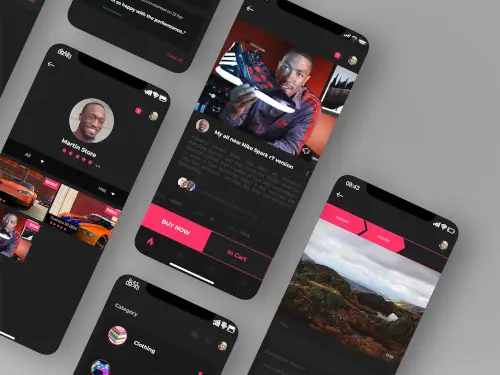
Descoperă mai multe
Designul unei aplicații.
100 USD în o singură zi.

Descoperă mai multe
Site web.
430 USD într-o singură zi.
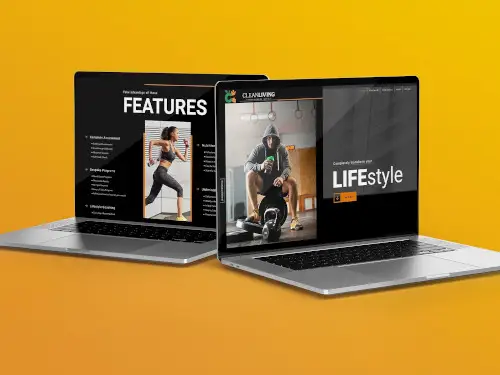
Descoperă mai multe
Designul unui site web.
140 USD în 13 zile.
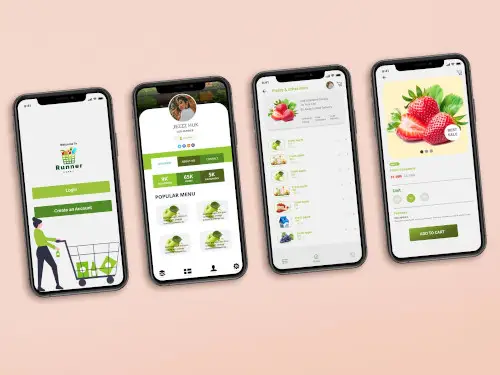
Descoperă mai multe
Designul unei aplicații.
200 USD în 19 zile.
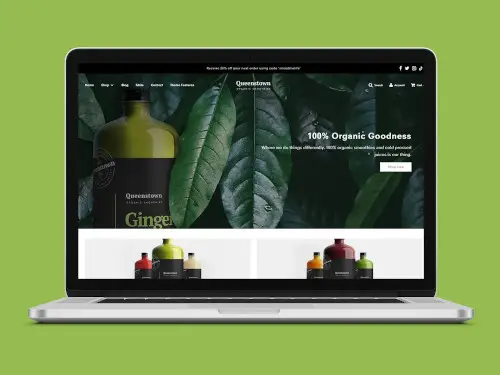
Descoperă mai multe
Site web.
150 USD în 13 zile.
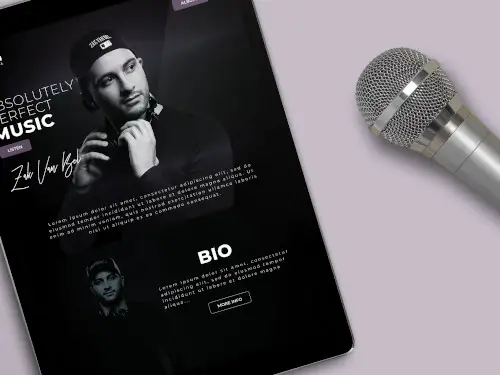
Descoperă mai multe
Site web.
240 USD într-o singură zi.
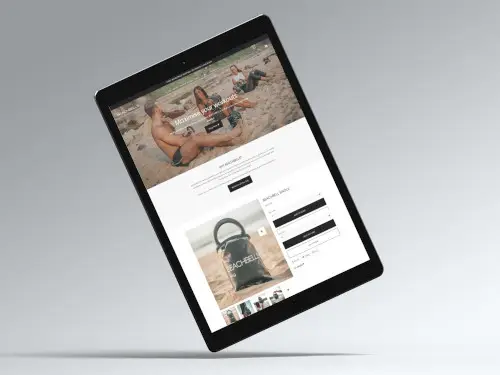
Descoperă mai multe
Site web.
100 USD în o singură zi.
Conform prezentării din


Cea mai mare platformă din lume
Milioane de utilizatori, de la companii mici la întreprinderi mari, de la antreprenori la start-upuri, folosesc Freelancer.com pentru a-și transforma ideile în realitate.
73.0milioane
73.0milioane
Utilizatori înregistrați
23.7milioane
23.7milioane
Totalul proiectelor postate
Cauți freelanceri pentru alte tipuri de servicii?
Mulțumim! Ți-am trimis prin e-mail linkul pe care trebuie să-l accesezi pentru a revendica creditul gratuit.
A apărut o eroare la trimiterea e-mailului. Încearcă din nou.



Nu s-a putut efectua copierea în clipboard. Încearcă din nou după ce-ți ajustezi permisiunile.
S-a copiat în clipboard.
Se încarcă previzualizarea
S-a oferit permisiunea de depistare a locației.
Ți-a expirat sesiunea pentru conectare sau te-ai deconectat. Conectează-te din nou.